
Functional Neurological Disorder (FND)
Physiotherapy and Hydrotherapy for FND: Finding Relief and Recovery
Functional Neurological Disorder (FND) is a condition that affects the nervous system, causing symptoms like weakness, numbness, tremors, and movement disorders. While the exact cause of FND is not fully understood, it is believed to involve a miscommunication between the brain and body.
Both physiotherapy and hydrotherapy have shown to significantly help manage FND symptoms and improve quality of life.
Hydrotherapy / Aquatic Therapy
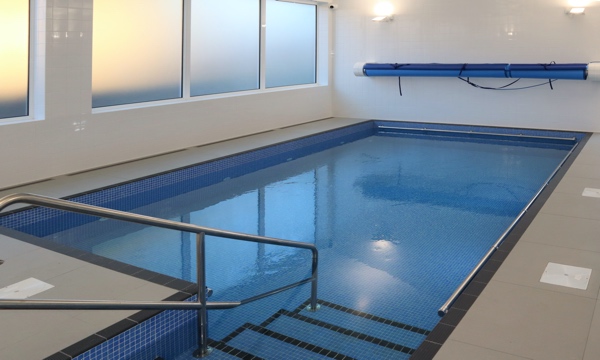
Hydrotherapy involves performing exercises in a warm pool using the unique properties of the water such as buoyancy and resistance to benefit exercise under the specialist guidance of an aquatic physiotherapist.
- Improved Mobility and Strength: The water’s resistance can help strengthen muscles and improve range of motion, while the buoyancy can assist with balance and coordination. Beneficial for clients with FND who experience weakness or difficulty with movement.
- Enhanced Cardiovascular Health: Hydrotherapy is a low impact way to improve cardiovascular fitness, beneficial for clients with FND who may have limitations with land-based exercise.
- Relaxes muscles and reduces pain: The warmth and buoyancy of the water can help to relax muscles and ease pain, having a calming effect. It can be helpful in reducing stress and anxiety helping clients cope better with symptoms such as fatigue or depression by boosting their mood. One of the physiological effects of being upright in warm water is the release of endorphins and increased blood flow to the brain giving that “good feel factor.”
- Improved Quality of Life: By reducing pain, improving mobility, and enhancing overall well-being, hydrotherapy can significantly improve the quality of life for individuals with FND.
Physiotherapy
Physiotherapy involves a range of exercises and techniques aimed at improving movement and function. Physiotherapy can help regain strength, flexibility, and coordination through tailored exercise programs working on:
- Strength training: building muscle strength can improve stability and reduce fatigue.
- Stretching and flexibility exercises: increasing flexibility can improve range of motion and reduce muscle stiffness.
- Balance and coordination exercises: to improve stability and reduce the risk of falls.
- Pace Setting: Enabling a return to activity in a controlled and manageable way.
Benefits of Physiotherapy and Hydrotherapy for FND
- Symptom management: Both therapies can help to reduce the severity and frequency of FND symptoms, such as weakness, fatigue, and pain.
- Improved mobility and balance: Regular exercise can improve strength, flexibility, and coordination, making daily activities easier.
- Reduced anxiety and depression: Physical activity can help to reduce stress and improve mood, which can be beneficial for people with FND who may experience anxiety and depression.
- Increased confidence: As you regain strength and function, you may feel more confident in your ability to manage your condition.
- Improved quality of life: By addressing physical and emotional challenges, physiotherapy and hydrotherapy can significantly improve your overall quality of life.