
Acquired & Traumatic Brain Injury (ABI) and (TBI)
Physiotherapy and Hydrotherapy for ABI/TBI
An acquired brain injury (ABI) is an injury to the brain that is not hereditary, congenital, degenerative, or induced by birth trauma. This type of brain injury is one that has occurred after birth and an acquired brain injury is the umbrella term for all brain injuries.
There are two types of acquired brain injury: traumatic and non-traumatic. If the brain injury is sustained through a traumatic incident such as a road traffic accident or fall, it is sometimes referred to as a Traumatic Brain Injury (TBI) instead. In these cases, there may be other injuries sustained at the same time which could also improve with hydrotherapy input.
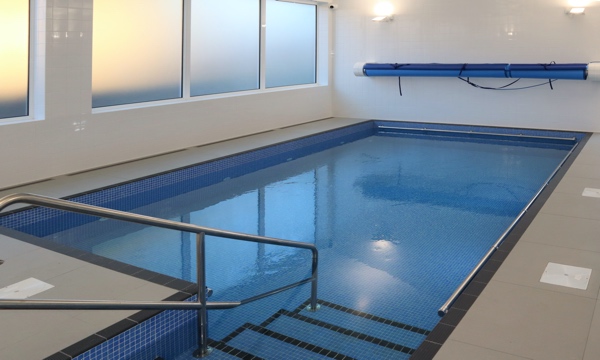
Hydrotherapy, also known as aquatic physiotherapy, involves therapeutic exercises and activities performed in a warm water pool. It’s a valuable rehabilitation approach for children and adults who have experienced a brain injury. By harnessing the unique properties of water, hydrotherapy can promote physical, cognitive, and emotional recovery, helping children and adults regain their independence and improve their quality of life. NICE guidelines recommend hydrotherapy where available as an integral part of rehabilitation.
Benefits of Physiotherapy and Hydrotherapy for ABI and TBI
Rehabilitation: physiotherapy is essential in the rehabilitation of ABI and TBI, particularly in the first couple of years, however functional changes can still be made after this time with appropriate intervention. Hydrotherapy can be particularly useful as it allows children and adults to complete activities in the water which may not be possible on land, such as standing and walking with support as required.
- Symptom management: Both therapies can help to reduce the severity and frequency of ABI/TBI symptoms, such as altered neurology, weakness, fatigue, and pain. Many children and adults attend hydrotherapy for long-term management of their condition following the initial rehabilitation period.
- Improved mobility: Even after the rehabilitation period, benefits can be seen with regular exercise, which can improve strength, flexibility, and coordination, making daily activities easier.
- Reduced anxiety and depression: Physical activity can help to reduce stress and improve mood, which can be beneficial for children and adults with ABI/TBI who may experience anxiety and depression.
- Increased confidence: Clients often report that the confidence they gain from undertaking functional activities in the pool, often translates to improved ability with these tasks on land. As you regain strength and function, you may feel more confident in your ability to manage your condition.
- Improved quality of life: By addressing physical and emotional challenges, physiotherapy and hydrotherapy can significantly improve your overall quality of life.
- Enhanced Cardiovascular Health: Hydrotherapy enables low impact exercise and movement to improve cardiovascular fitness, which is beneficial for children and adults who have suffered an ABI/TBI and may have limitations with land-based exercise.
- Relaxes muscles and reduces pain: The warmth and buoyancy of the water can help to relax muscles and ease pain, particularly if there is altered neurology, as it has a calming effect.
- Stretching and flexibility: the warmth, buoyancy and flow of the water can assist with stretching tight muscles and joints, often improving or maintaining range of movement which is essential for joint health and maintaining or improving function.
- Strength training: the resistance provided by the water, as well as using our specialist equipment can assist with building muscle strength, which can improve stability and reduce fatigue.